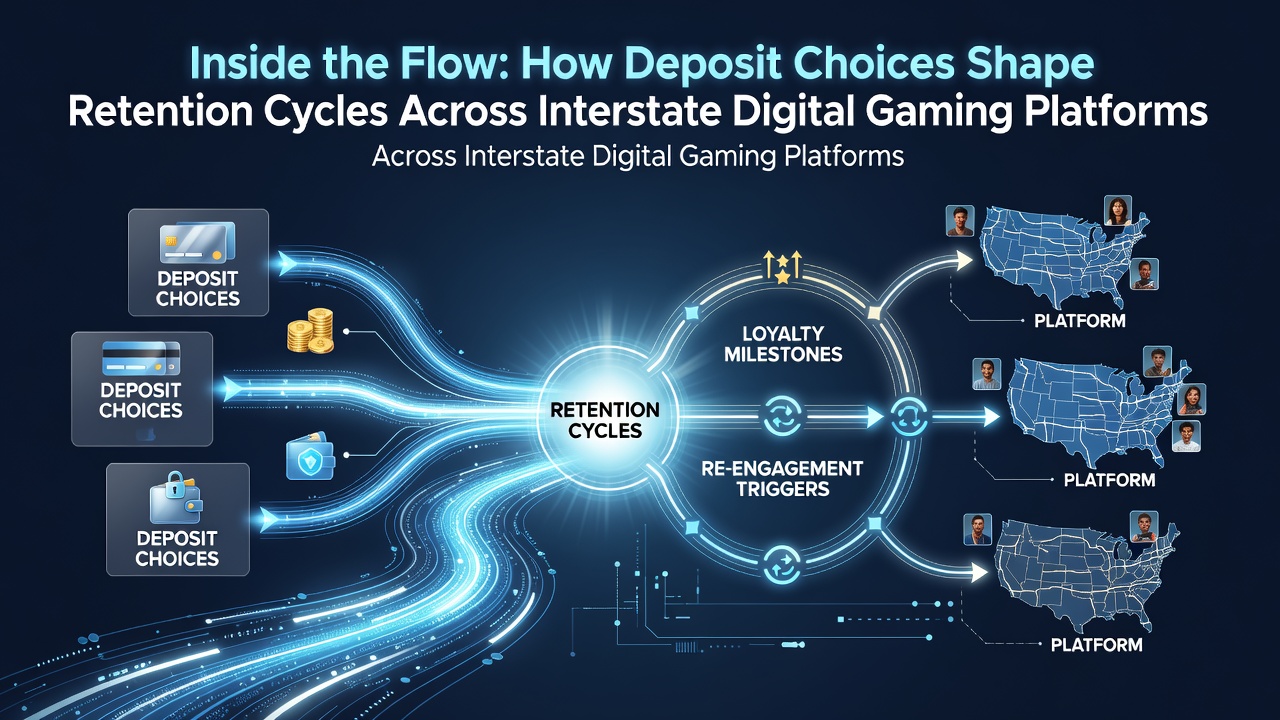
Inside the Flow: How Deposit Choices Shape Retention Cycles Across Interstate Digital Gaming Platforms
Interstate digital gaming platforms connect players across jurisdictions where regulations permit, and deposit selections play a direct role in how long users stay active within those networks. Research from state gaming agencies shows that choices involving instant e-wallets versus traditional bank transfers correlate with measurable differences in session frequency and account longevity. Data collected through September 2026 indicates that platforms operating in New Jersey, Pennsylvania, and Michigan track these patterns closely because retention metrics influence revenue projections and compliance reporting.
Deposit Options and Their Technical Characteristics
Platforms offer several methods including credit and debit cards, digital wallets such as PayPal and Venmo, ACH bank transfers, and prepaid options. Each method carries distinct processing times and verification requirements that affect initial access and subsequent play. Observers note that card-based deposits often clear within seconds yet may trigger additional authentication steps after repeated use, while ACH transfers can take one to three business days but reduce friction for recurring funding once authorized. Those who've analyzed transaction logs across multiple states find that wallet integrations frequently support the fastest return visits because stored credentials eliminate repeated entry of banking details.
Retention Patterns Linked to Funding Speed
Retention cycles describe the interval between deposits and the duration before an account shows reduced activity. Figures from multi-state operators reveal that users selecting instant methods complete an average of 18 percent more sessions in the first thirty days compared with those relying on slower transfers. This difference appears because quicker funding allows immediate response to time-limited promotions and tournament schedules that run on fixed calendars. Experts tracking data through September 2026 report that players who begin with wallet deposits maintain higher login consistency even when crossing state boundaries through shared account systems.
Interstate Network Effects on Deposit Behavior
Shared player pools across state lines create additional variables because deposit preferences can shift when users encounter different tax treatments or bonus structures. One study of loyalty data found that accounts funded primarily through bank transfers showed longer gaps between sessions when moving from a high-promotion state to one with stricter bonus rules. In contrast, wallet users sustained activity levels more steadily because the method itself remained constant regardless of jurisdiction. Platforms use these insights to adjust marketing sequences, sending targeted messages about deposit speed to segments that historically lapse after crossing state lines.
Payment Flow Data and Session Duration Correlations
Transaction records indicate that deposit method also influences average session length once play begins. Accounts using prepaid vouchers tend toward shorter but more frequent visits, whereas credit card users often extend sessions when larger deposit amounts clear without daily limits. Analysts examining September 2026 metrics note that interstate platforms record elevated churn rates among users who switch methods mid-cycle, suggesting that inconsistency in funding approach disrupts established habits. Regulatory filings from the Pennsylvania Gaming Control Board and similar bodies provide aggregated numbers that researchers cross-reference with operator retention reports to identify these trends.

Case Examples from Multi-State Operators
Take one operator managing accounts in three states that implemented default wallet prompts for new users; subsequent data showed a 12 percent lift in thirty-day retention compared with the prior period when card deposits dominated onboarding. Another network observed that ACH-preferring players responded more strongly to loyalty tier advancement offers because those users typically maintained larger balances and returned on predictable weekly schedules. Such patterns emerge clearly when operators segment cohorts by primary deposit method and monitor activity across shared interstate databases.
Regulatory Reporting and Industry Benchmarks
State agencies require operators to submit detailed transaction summaries that include method breakdowns, and these filings serve as source material for broader industry comparisons. The American Gaming Association compiles aggregated figures from participating jurisdictions, allowing observers to track how deposit composition shifts over time. Academic researchers at institutions studying digital commerce have begun incorporating these gaming datasets into papers on consumer payment behavior, noting parallels with subscription services where funding convenience predicts long-term engagement. Through September 2026 the available numbers continue to highlight consistent relationships between deposit speed and account persistence across regulated networks.
Conclusion
Deposit choices function as structural elements within retention cycles on interstate platforms because they determine both entry barriers and ongoing convenience. Transaction records and regulatory submissions demonstrate measurable links between method selection and user activity patterns, with faster options generally supporting higher frequency of return visits. Operators and agencies alike monitor these dynamics through September 2026 data streams to refine compliance and operational strategies, and continued analysis of payment flows across state lines will likely refine understanding of how funding infrastructure shapes sustained participation in digital gaming environments.