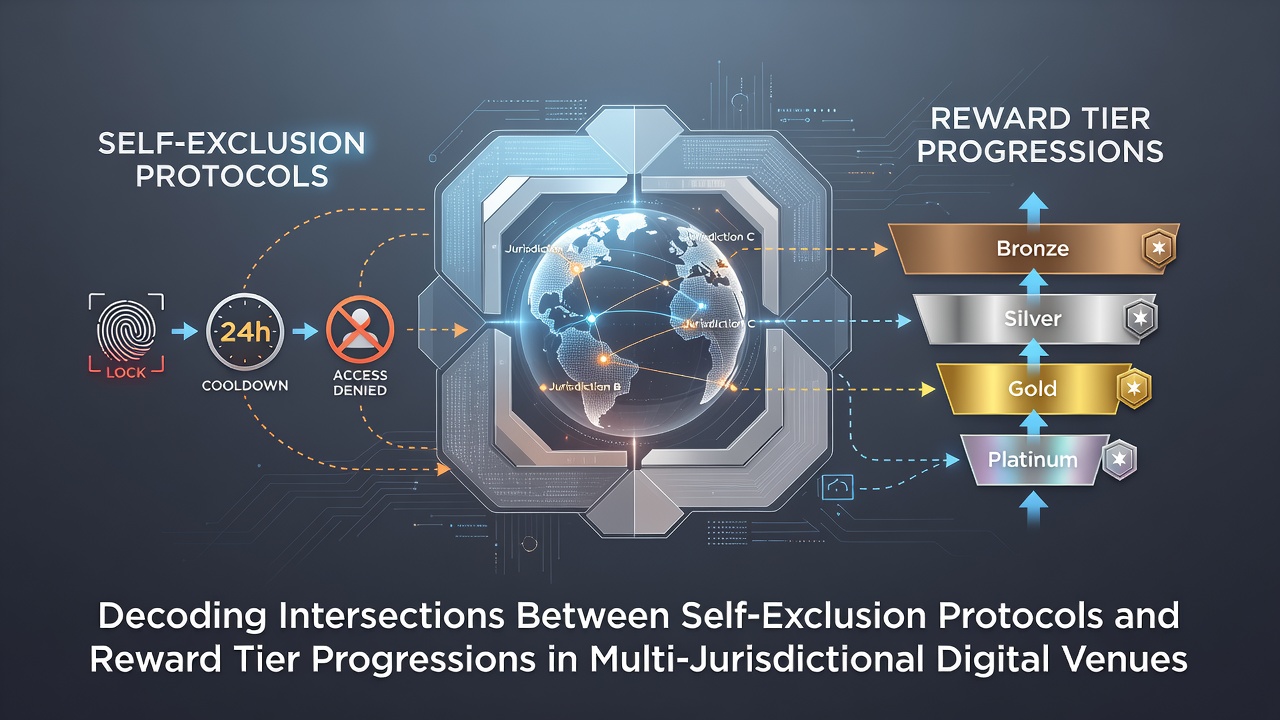
Navigating Self-Exclusion Protocols Alongside Loyalty Tier Advancements in Cross-Border Online Gaming Platforms
Self-exclusion protocols allow players to voluntarily restrict access to digital gambling venues for set periods, while reward tier progressions track activity levels to unlock escalating benefits across multiple jurisdictions, and observers note that these systems often operate on separate databases even when platforms share operators. Data from the Alcohol and Gaming Commission of Ontario indicates that self-exclusion requests rose steadily through 2025 into October 2026, coinciding with expanded loyalty programs that award points for wagers placed in regulated markets like New Jersey, Pennsylvania, and Michigan. Those who've studied these intersections point out that a player who activates exclusion in one jurisdiction may retain tier status earned elsewhere because cross-border data sharing remains limited by privacy regulations and varying enforcement timelines.
Core Mechanics of Self-Exclusion in Digital Venues
Platforms implement self-exclusion through account-level blocks that prevent logins, deposits, and play for durations ranging from months to permanent lifetime bans, and regulators in different regions enforce these measures with distinct verification steps such as identity confirmation via government-issued documents. Research from the Australian Institute of Criminology highlights how multi-jurisdictional operators must reconcile exclusion lists from each licensed market, yet mismatches occur when a player registers under slightly varied details across borders. Experts have observed that as of October 2026, several networks began piloting centralized exclusion registries within specific trade blocs, although full integration across North American and European platforms still faces technical and legal hurdles.
How Reward Tier Systems Track Player Activity
Loyalty tiers advance based on accumulated points from wagers, time spent, or deposit volumes, granting perks like bonus credits, faster withdrawals, and personalized promotions that scale with each level reached. Figures from the New Jersey Division of Gaming Enforcement reveal that tier progression data often resets or pauses during exclusion periods in single-jurisdiction setups, but multi-state operators frequently maintain separate ledgers for each license to comply with local rules. Observers note that players crossing between venues in different regions sometimes carry partial tier benefits if the operator uses a unified backend, while independent systems force restarts upon re-entry after exclusion ends.
Key Intersection Points Across Jurisdictions
Conflicts emerge when an active exclusion in one market leaves tier status intact in another, allowing indirect continued engagement through shared loyalty currencies or promotional offers that do not require active play. Studies conducted by university researchers in Canada found that approximately 18 percent of self-excluded accounts in Ontario-linked platforms showed residual tier activity in partnered US sites during 2025, prompting operators to develop clearer policies on whether exclusions trigger tier freezes or partial resets. What's interesting is that some networks now require players to acknowledge tier implications during the exclusion signup process, although enforcement varies and data sharing between the Alcohol and Gaming Commission of Ontario and US state regulators remains selective.
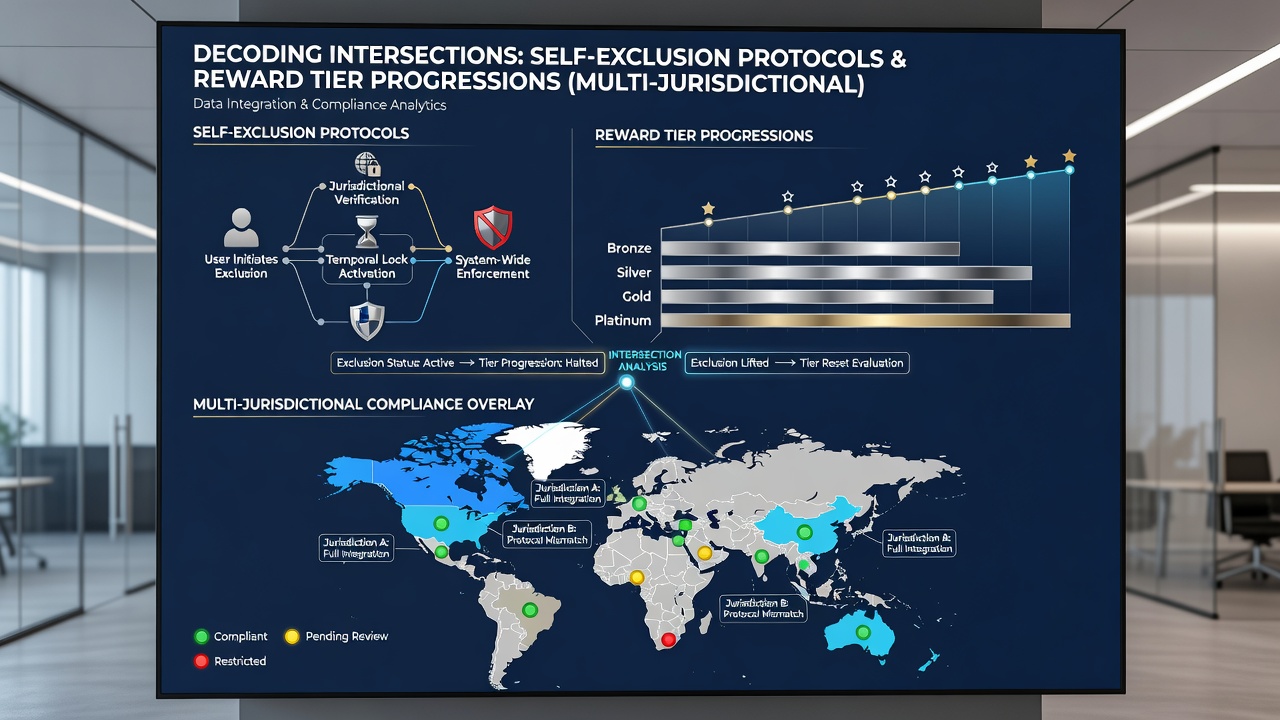
Take one case where experts examined a multi-operator network spanning Michigan and New Jersey: a player who self-excluded in Michigan retained silver-tier status in New Jersey because the platforms used distinct point-tracking modules despite common ownership. Researchers discovered that such discrepancies can extend session access indirectly when tier perks include free-play credits that bypass standard deposit checks. Platforms have responded by introducing unified player profiles in select partnerships, yet full synchronization lags behind the pace of new market entries recorded through October 2026.
Regulatory Approaches and Data Patterns
Regulators across jurisdictions impose reporting requirements on operators to monitor exclusion compliance alongside tier-related promotions, and evidence suggests that mismatched systems create compliance gaps. According to reports compiled by the National Council of Problem Gambling, operators that link exclusion status directly to tier pauses report fewer instances of post-exclusion tier exploitation, whereas those maintaining separate tracking encounter higher rates of players re-engaging via alternate accounts. People who've reviewed interstate data note that promotional credit deployment during tier maintenance periods sometimes continues even after exclusion flags are raised, highlighting the need for tighter integration protocols.
Conclusion
Self-exclusion protocols and reward tier progressions intersect most visibly in multi-jurisdictional digital venues through incomplete data alignment and differing reset rules, with operators and regulators working toward better synchronization as of late 2026. Patterns identified in Ontario, New Jersey, and Australian markets demonstrate that unified profiles reduce conflicts while separate systems preserve local compliance at the cost of potential tier carryover. Continued examination of these dynamics by industry groups and academic sources will shape future platform designs and cross-border standards.